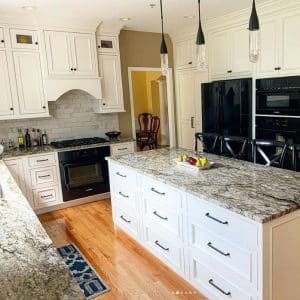
Outdoor kitchens continue growing in popularity throughout Pennsylvania as homeowners look to create more functional and enjoyable backyard living spaces during the summer months. One of the biggest decisions homeowners face when designing an outdoor kitchen is choosing the right countertop material.
Quartz and granite are two of the most popular countertop options for indoor kitchens, but outdoor environments create very different conditions. Pennsylvania weather exposes outdoor countertops to direct UV sunlight, humidity, rain, temperature swings, heat from grills, and seasonal freeze-thaw cycles. Because of this, the best countertop material for outdoor kitchens often depends on long-term durability, maintenance expectations, and climate performance.
At Timeless Stone Fabrication, homeowners throughout Pennsylvania rely on experienced stone fabrication professionals for custom countertop fabrication, natural stone surfaces, quartz countertops, and outdoor kitchen design guidance.
TL;DR: Is Quartz or Granite Better for Outdoor Kitchens?
- Granite is often the preferred choice for outdoor kitchens in Pennsylvania
- Natural granite handles UV exposure and heat more effectively
- Standard quartz countertops may discolor or weaken in direct sunlight
- Outdoor kitchens require materials that perform well through seasonal weather changes
- Proper sealing and maintenance still matter for long-term stone performance
Why Does Outdoor Climate Matter for Countertops?
- direct summer sun
- heavy rain and humidity
- fluctuating spring and fall temperatures
- winter freeze-thaw conditions
- heat exposure from grills and cooking appliances
Why Is Granite Often Recommended for Outdoor Kitchens?
Granite is frequently considered one of the best natural stone options for outdoor kitchens because of its durability and resistance to outdoor conditions. As a natural stone, granite handles UV exposure better than many engineered countertop materials and generally performs well under direct sunlight.
Granite is also highly heat resistant, which makes it especially useful for outdoor cooking and grilling spaces where hot cookware and elevated temperatures are common. Unlike some engineered materials, granite is less likely to experience heat-related surface damage under normal outdoor kitchen use.
Another major advantage is granite’s natural variation and appearance. Many homeowners choose granite because each slab has unique movement, veining, and mineral patterns that complement outdoor entertaining spaces and natural backyard environments.
Can Quartz Be Used for Outdoor Kitchens?
Quartz countertops are extremely popular for indoor kitchens because they are non-porous, low maintenance, and available in a wide variety of colors and patterns. However, traditional engineered quartz is often not recommended for fully exposed outdoor kitchens.
Most quartz countertops are manufactured using crushed quartz combined with resin binders. Extended UV exposure from direct sunlight can gradually affect those resins over time, potentially leading to:
- discoloration
- fading
- warping
- surface deterioration
That said, certain manufacturers now offer specialized outdoor-rated quartz products designed with enhanced UV resistance. Homeowners considering quartz for an outdoor kitchen should always verify whether the specific product is approved for exterior applications.
How Does Pennsylvania Weather Affect Outdoor Countertops?
Freeze-thaw cycles can place stress on outdoor materials over time, especially if moisture penetrates the surface or seams. Natural stone materials like granite generally perform very well outdoors when properly fabricated, sealed, and installed.
Outdoor kitchens in uncovered spaces may also experience:
- snow and ice exposure
- prolonged moisture contact
- seasonal expansion and contraction
- heavy UV exposure during summer months
Which Material Requires More Maintenance Outdoors?
Granite does require periodic sealing to help protect against moisture penetration, staining, and long-term weather exposure. Fortunately, many homeowners find the maintenance requirements relatively manageable with proper care and routine upkeep.
Outdoor quartz surfaces may require less sealing maintenance, but the potential long-term concerns involving UV exposure and temperature sensitivity often make granite the more reliable long-term outdoor option for many Pennsylvania homeowners.
Does Heat Resistance Matter Around Outdoor Grills?
Granite naturally handles heat very well and is often preferred for outdoor cooking spaces because of its durability under elevated temperatures. Quartz surfaces generally have lower heat resistance because of the resin components used during manufacturing.
For homeowners who plan to cook frequently outdoors throughout the summer, heat tolerance is often one of the biggest reasons granite becomes the preferred countertop material.
What Should Homeowners Consider Before Choosing Outdoor Countertops?
- whether the kitchen is covered or uncovered
- direct sunlight exposure
- cooking frequency
- long-term maintenance expectations
- overall backyard design goals
- budget considerations
At Timeless Stone Fabrication, homeowners throughout Pennsylvania can receive guidance for granite countertops, quartz countertops, custom fabrication, and outdoor kitchen countertop solutions designed for long-term performance and visual appeal.
Is Granite or Quartz the Better Long-Term Outdoor Choice?
For many outdoor kitchens throughout Pennsylvania, granite is often considered the more reliable long-term outdoor countertop material because of its natural durability, UV resistance, and heat performance. Quartz remains an excellent choice for indoor kitchens, but outdoor environments create additional conditions that many standard quartz products are not designed to handle long term.
Choosing the right countertop material early in the design process can help homeowners create an outdoor kitchen space that remains functional, attractive, and durable through years of Pennsylvania weather and seasonal entertaining. Contact Timeless Stone Fabrication today to get started on a sleek outdoor kitchen countertop.